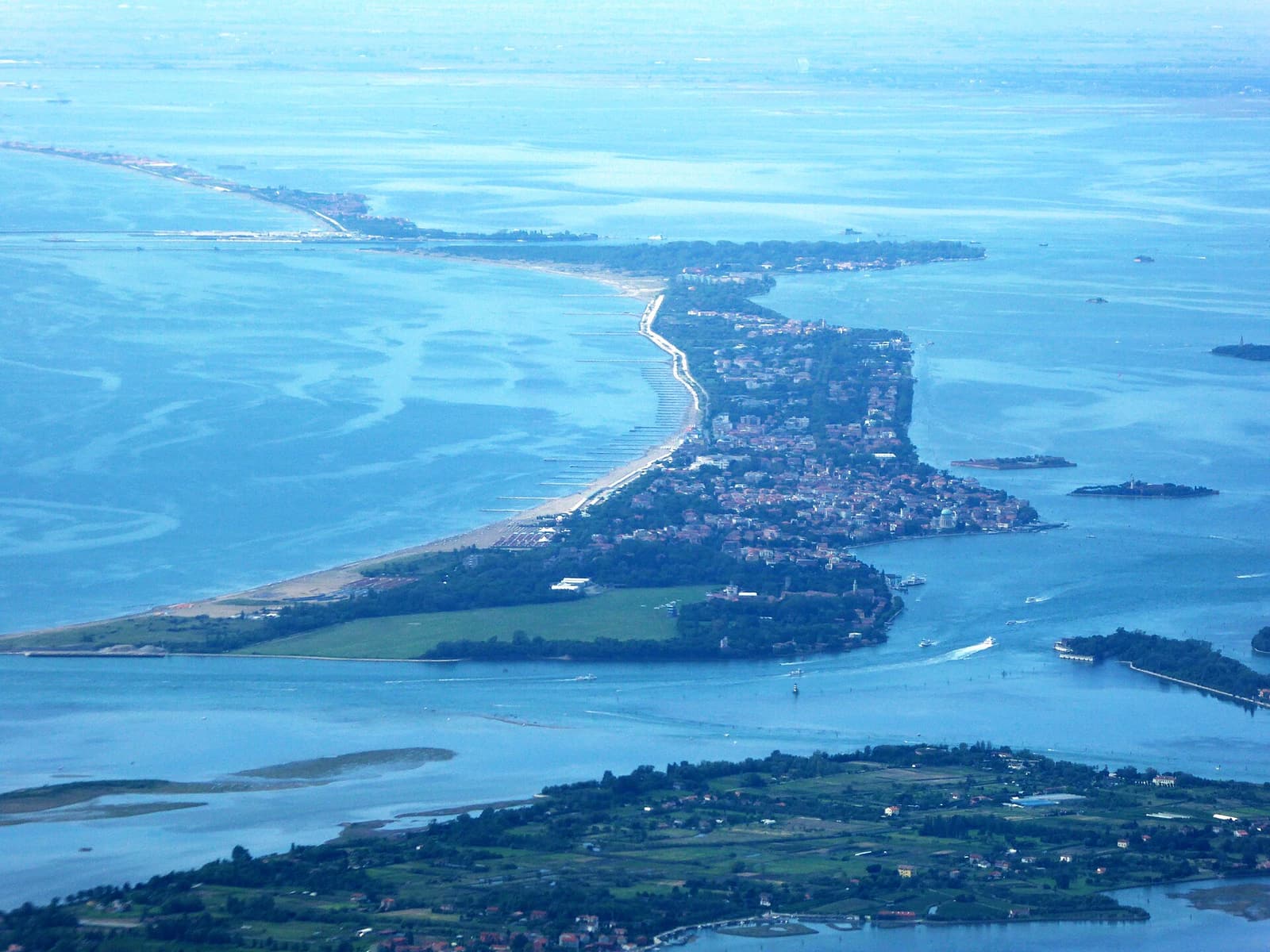
The Lido di Venezia is a barrier island about 12 kilometres long, home to roughly 15,000 people, lying between the Venetian lagoon and the Adriatic Sea. It is part of the city of Venice, yet it feels completely different: tree-lined avenues, villas with gardens, cars and bicycles, and a long sandy beach. This guide covers how to make the most of it.
How long do you need?
- Half a day — vaporetto over, walk the Gran Viale to the beach, swim, and a spritz by the landing stage before heading back.
- One full day — rent a bike and ride to Malamocco and the Alberoni, with the Excelsior and the Hotel des Bains on the way back.
- Two or three days — add Pellestrina by line 11, an island trip to Murano and Burano, and an evening cruise.
- A week — the Lido as your base for Venice: beach mornings, city afternoons and quiet evenings.
Getting there and around
Vaporetti reach Santa Maria Elisabetta from San Marco in about 15–20 minutes, and from the station or Piazzale Roma in 35–75 minutes. There is also a direct airport boat and a car ferry from Tronchetto. Once on the island, bike is king — it is flat and compact — and ACTV buses cover the length of it. Our getting here guide covers every option.
What to see
 Beaches & the Belle Époque seafront
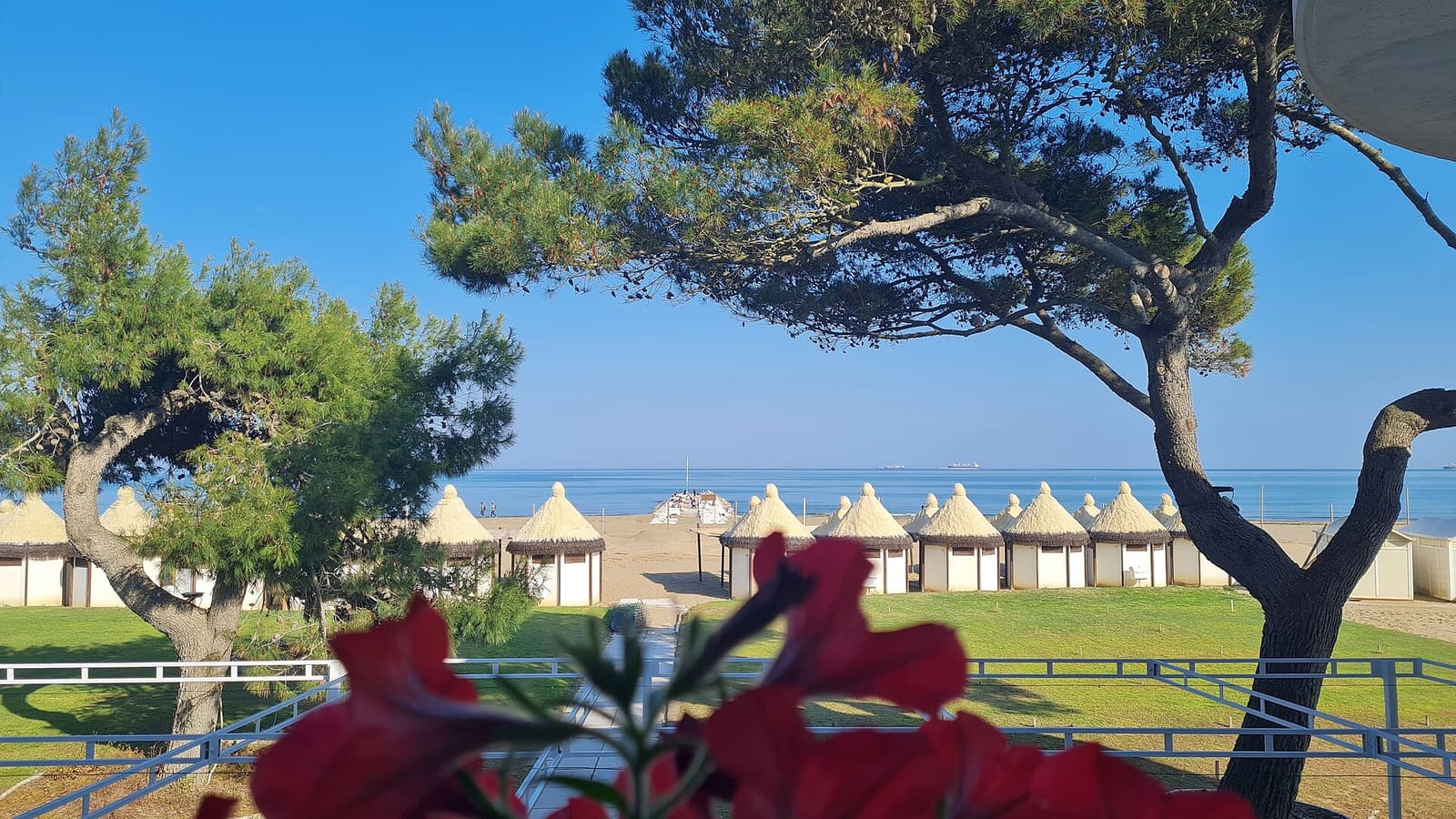
Lido Beaches
Eleven kilometres of Adriatic sand
The reason the Lido became a resort: a long, gently shelving sandy beach on the open Adriatic, lined with the striped capanne of the historic bathing establishments and broken up by free public stretches from San Nicolò to the Alberoni dunes.
 Beaches & the Belle Époque seafront
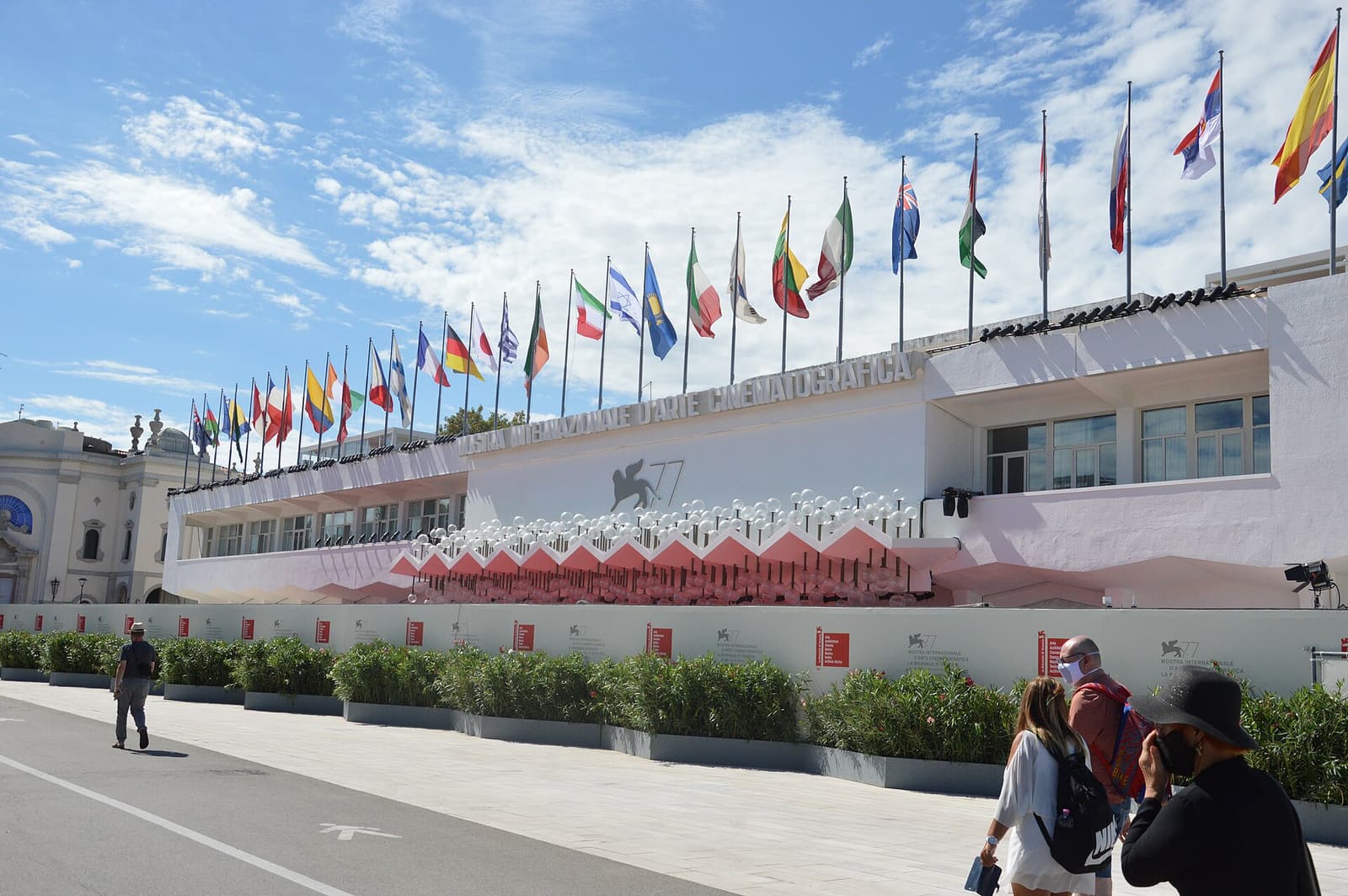
Palazzo del Cinema & the Film Festival
Home of the world’s oldest film festival
Every late summer the seafront around the 1930s Palazzo del Cinema and Palazzo del Casinò becomes the red-carpet stage of the Venice International Film Festival — founded in 1932 and still one of the big three. Outside festival time it is a quiet, rather monumental corner of the Lungomare.
 Beaches & the Belle Époque seafront
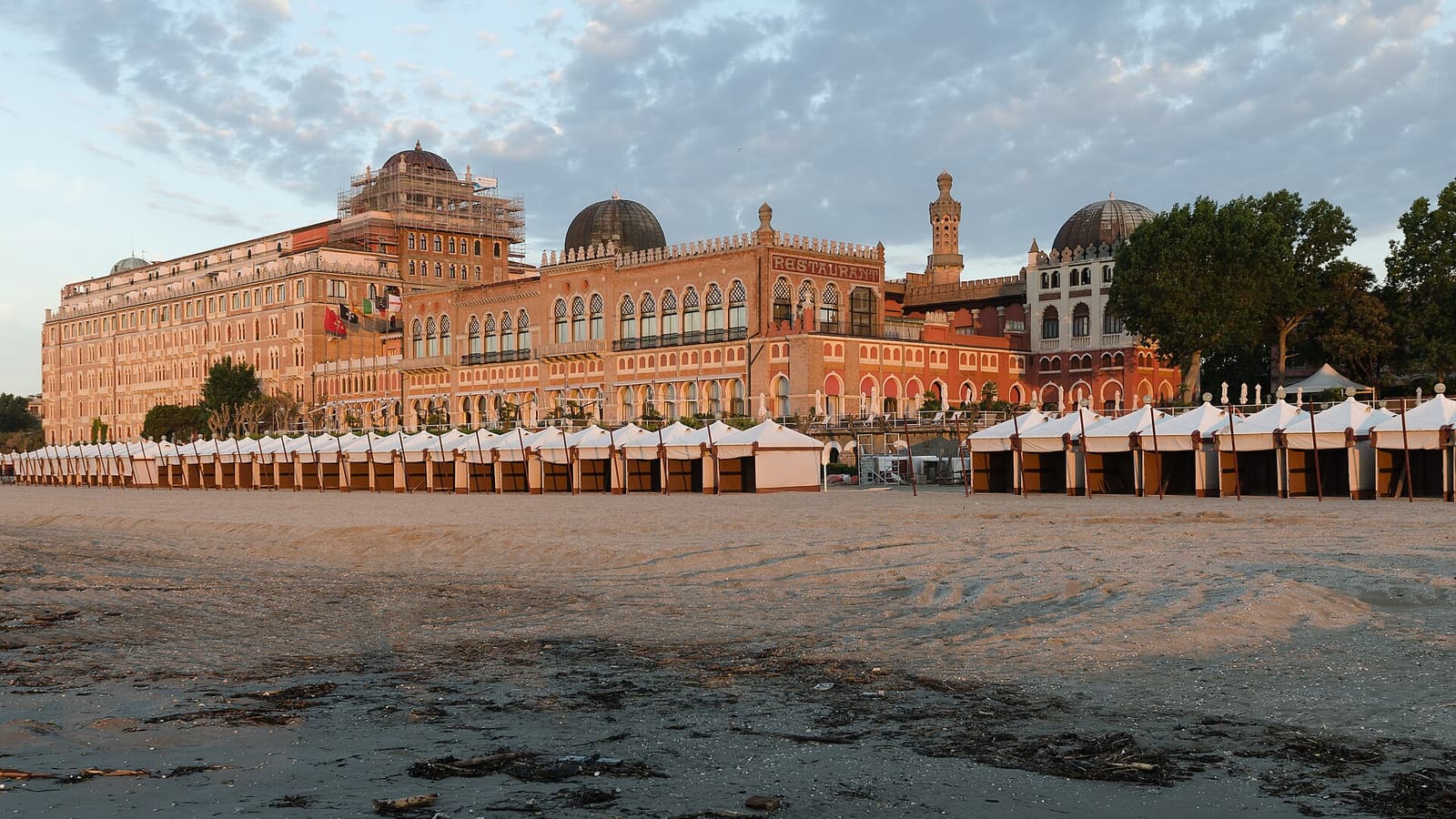
Hotel Excelsior
The Moorish palace on the beach
Opened in 1908, the Excelsior is the Lido’s great statement building: a neo-Moorish fantasy of domes, arches and crenellations facing the sea, with its own jetty, private beach and a century of film-star history. It is still a working five-star hotel.
 Around the island
Liberty & Art Nouveau Villas
Italy’s Belle Époque in miniature
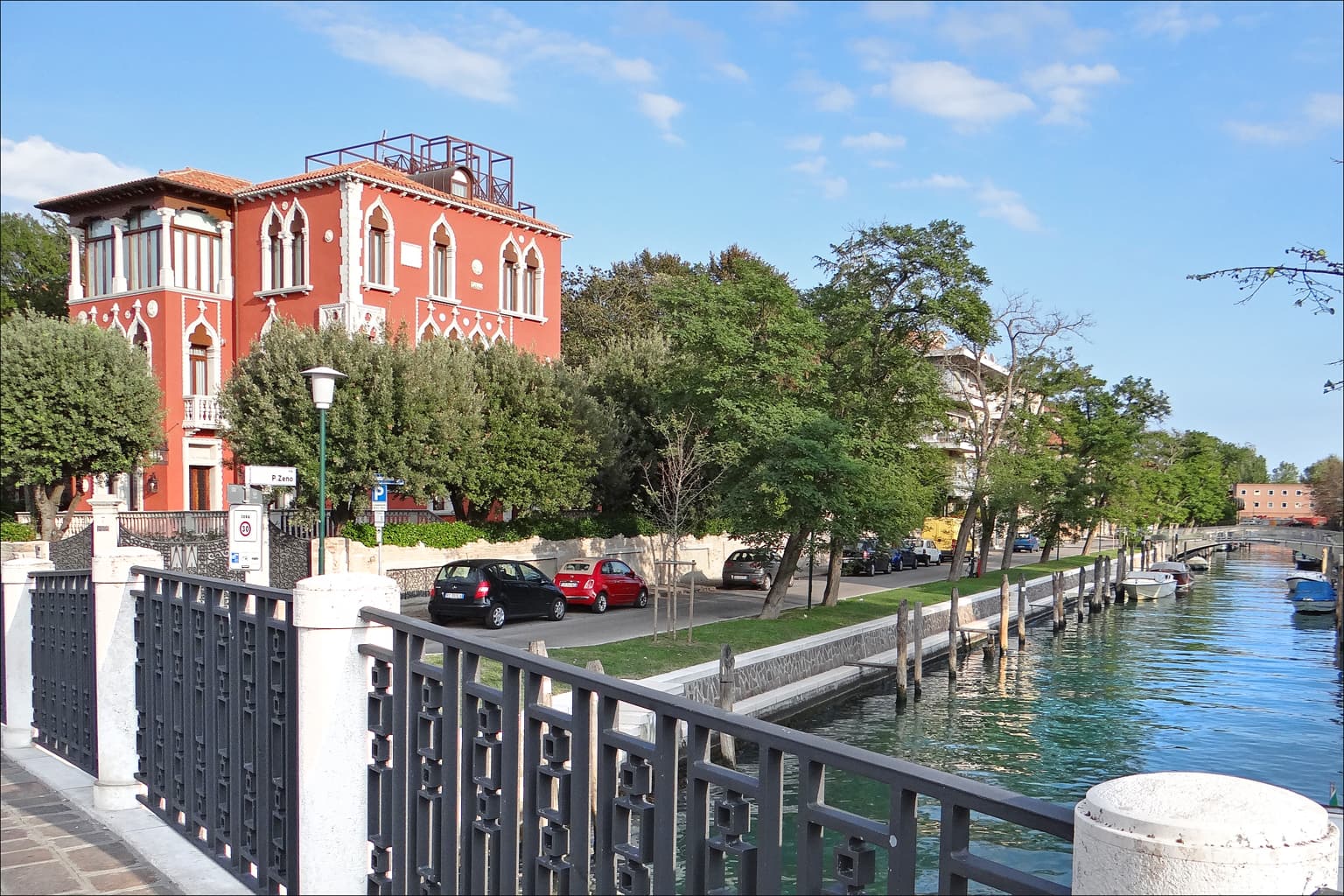
Between 1900 and the 1930s the Lido filled with villas in the Liberty style — Italy’s version of Art Nouveau. Majolica facades, wrought-iron gates, painted friezes and chalet roofs line the Gran Viale and the quiet streets towards the sea: one of the best open-air collections of the style anywhere.
See all of them, with directions and tours, in our things to see guide.
The beaches
The whole Adriatic side of the Lido is beach. Much of it is run by stabilimenti balneari (bathing establishments) renting umbrellas, loungers and the classic capanne — wooden or canvas beach cabins. Free public beaches include the Blue Moon at the end of the Gran Viale, San Nicolò in the north and the Alberoni in the south. The water is shallow and calm, ideal for children. Details in our beaches guide.
The Venice Film Festival
For about eleven days from late August to early September, the Lido hosts the Venice International Film Festival, the oldest in the world. Anyone can watch the red carpet from the public areas, and many screenings sell tickets to the public online. Accommodation becomes scarce and expensive — book months ahead.
What it costs
The Lido is part of one of the world’s most expensive cities, but it is noticeably cheaper than the historic centre. Indicative prices at the time of writing:
| Item | Typical price |
|---|---|
| Single vaporetto ticket (75 min) | ≈ €9.50 |
| ACTV pass, 1 / 3 / 7 days | ≈ €25 / €45 / €65 |
| Umbrella + two loungers (per day) | ≈ €20–40, more at the grand hotels |
| Beach cabin (capanna), per day | Varies widely — ask on site |
| Bike rental (per day) | Around €10–20 |
| Spritz at a bar | ≈ €4–8 |
| Pizza or pasta in a trattoria | ≈ €10–18 |
| Hotel double, per night | From ≈ €70 off-season to €250+ in summer |
| Venice tourist tax (hotel guests) | A few euros per person per night, by season and category |
What to eat
The Lido eats like the rest of Venice: seafood from the lagoon. Look for sarde in saor (sardines in sweet-and-sour onions), spaghetti alle vongole, risotto di pesce, fritto misto and bigoli in salsa. Evenings start with a spritz and a few cicchetti. The Gran Viale has cafés, gelaterie and pizzerias; for the best fish, go to Malamocco or across to Pellestrina.
Where to stay
The Lido makes an excellent base. Options fall into two groups:
- On the seafront — the Excelsior and hotels along the Lungomare, with the beach across the road.
- Near the vaporetto and the Gran Viale — villas and hotels a few minutes from the boats, ideal for daily trips into Venice.
We compare the best of each, with live rates, on our where to stay page.
The Venice access fee
The Lido is outside the area where Venice’s day-tripper access fee applies. Guests staying overnight on the Lido are also exempt when they visit the historic centre, but should register for an exemption on fee days. In 2026 the fee ran on 60 days between April and July; check the official site for future years. Full details in our getting here guide.
Practical details
- Money: euro. Cards are widely accepted; carry a little cash for beach bars and small trattorie.
- Shopping: the Lido has supermarkets, pharmacies and everyday shops — much easier for self-catering than central Venice.
- Safety: a calm, residential island. Watch your bike (lock it) and follow lifeguard flags at the beach.
- Accessibility: flat streets and fewer bridges than Venice make the Lido one of the easier parts of the city for limited mobility.
- Seasonality: many beach businesses close from October to April; hotels and restaurants on the Gran Viale stay open year-round.
Common mistakes
- Buying single vaporetto tickets for a multi-day stay. Get a pass.
- Staying only around the Gran Viale. The best of the Lido is at Malamocco, the Alberoni and Pellestrina — rent a bike.
- Turning up during the Film Festival without a booking.
- Missing the last convenient boat back from Venice after a late dinner — check the night timetable.
- Assuming the Lido is only for summer. Spring and autumn are glorious for cycling and walking.