Most visitors see the Lido as a strip of sand. In fact it holds a century of film history, some of Italy’s finest Liberty architecture, a medieval village and a nature reserve — and it is the gateway to the quiet southern lagoon. Each place below has its own guide covering what to do, how to get there and which tours cover it.
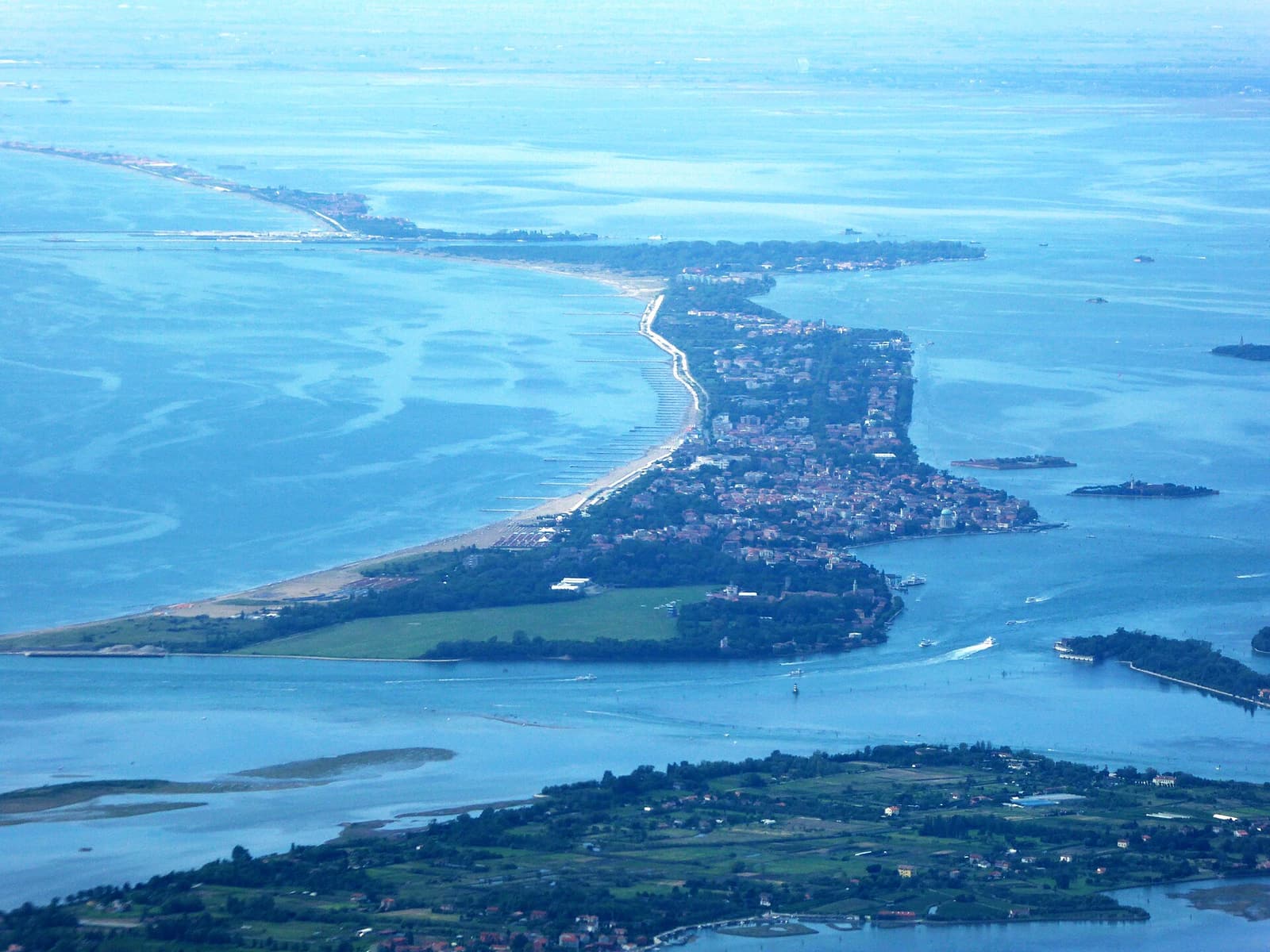
Things to See on the Lido di Venezia
Eleven places that make the Lido far more than a beach.
Beaches & the Belle Époque seafront
 Beaches & the Belle Époque seafront
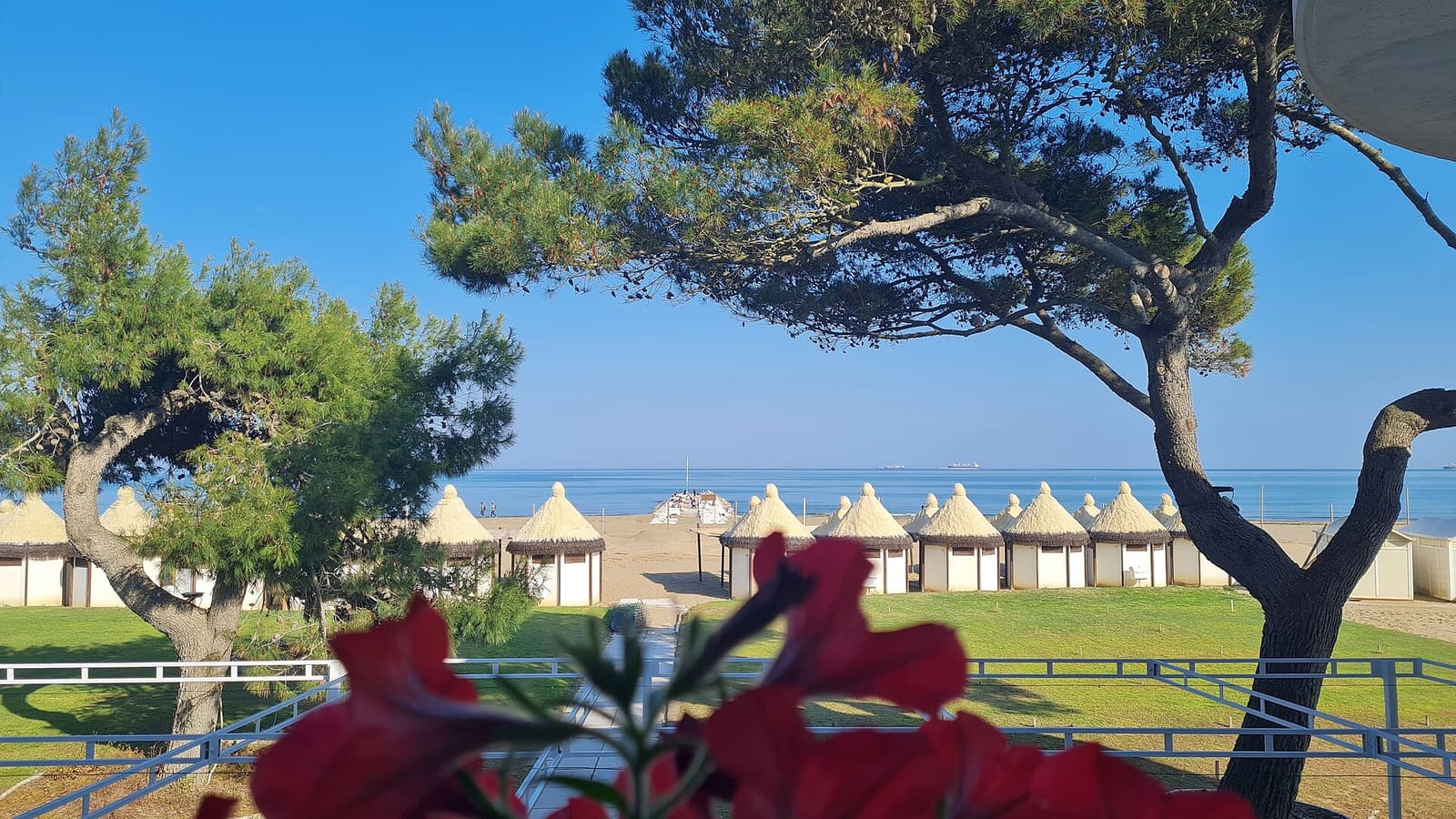
Lido Beaches
Eleven kilometres of Adriatic sand
The reason the Lido became a resort: a long, gently shelving sandy beach on the open Adriatic, lined with the striped capanne of the historic bathing establishments and broken up by free public stretches from San Nicolò to the Alberoni dunes.
 Beaches & the Belle Époque seafront
Palazzo del Cinema & the Film Festival
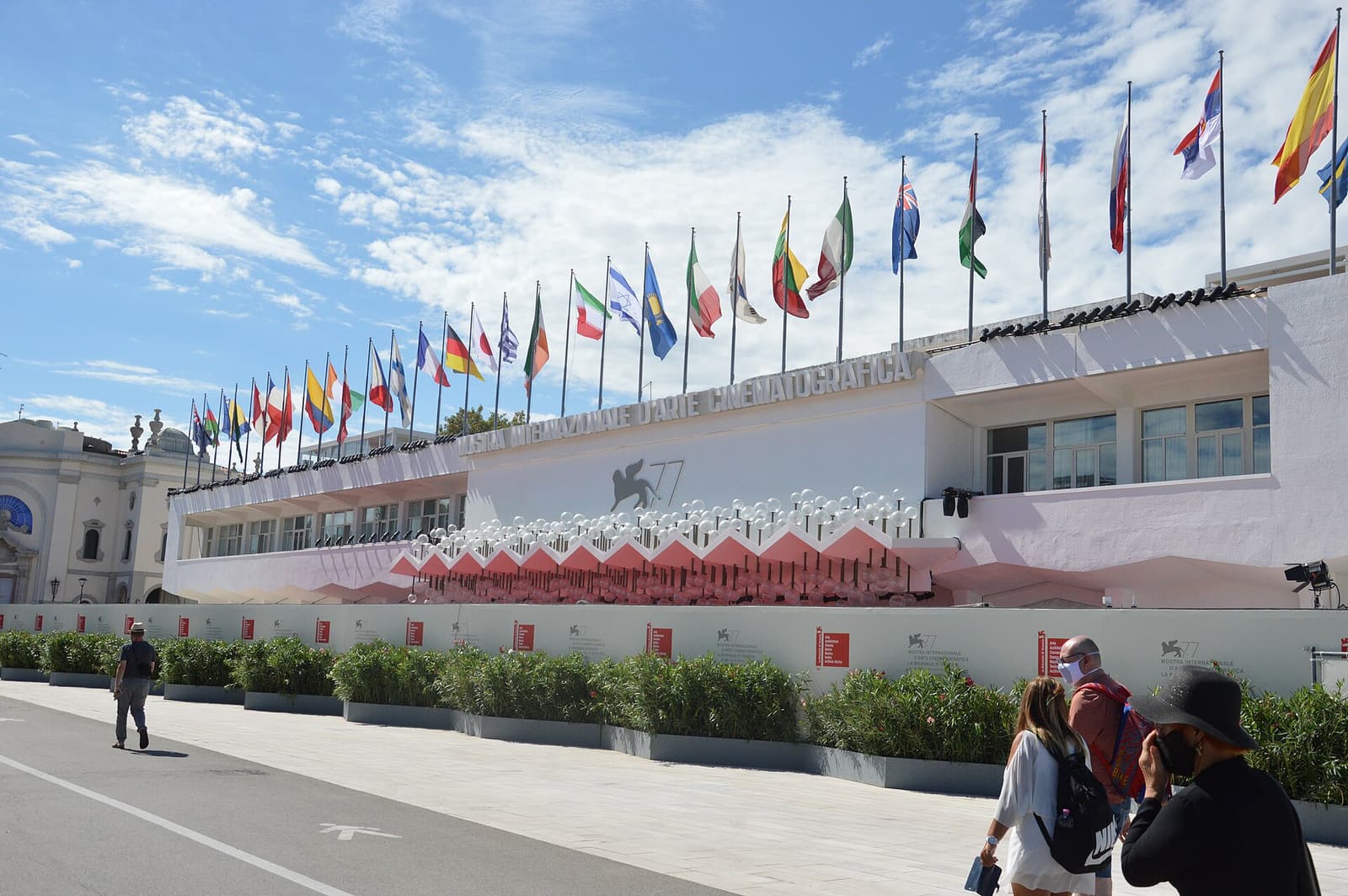
Home of the world’s oldest film festival
Every late summer the seafront around the 1930s Palazzo del Cinema and Palazzo del Casinò becomes the red-carpet stage of the Venice International Film Festival — founded in 1932 and still one of the big three. Outside festival time it is a quiet, rather monumental corner of the Lungomare.
 Beaches & the Belle Époque seafront
Hotel Excelsior
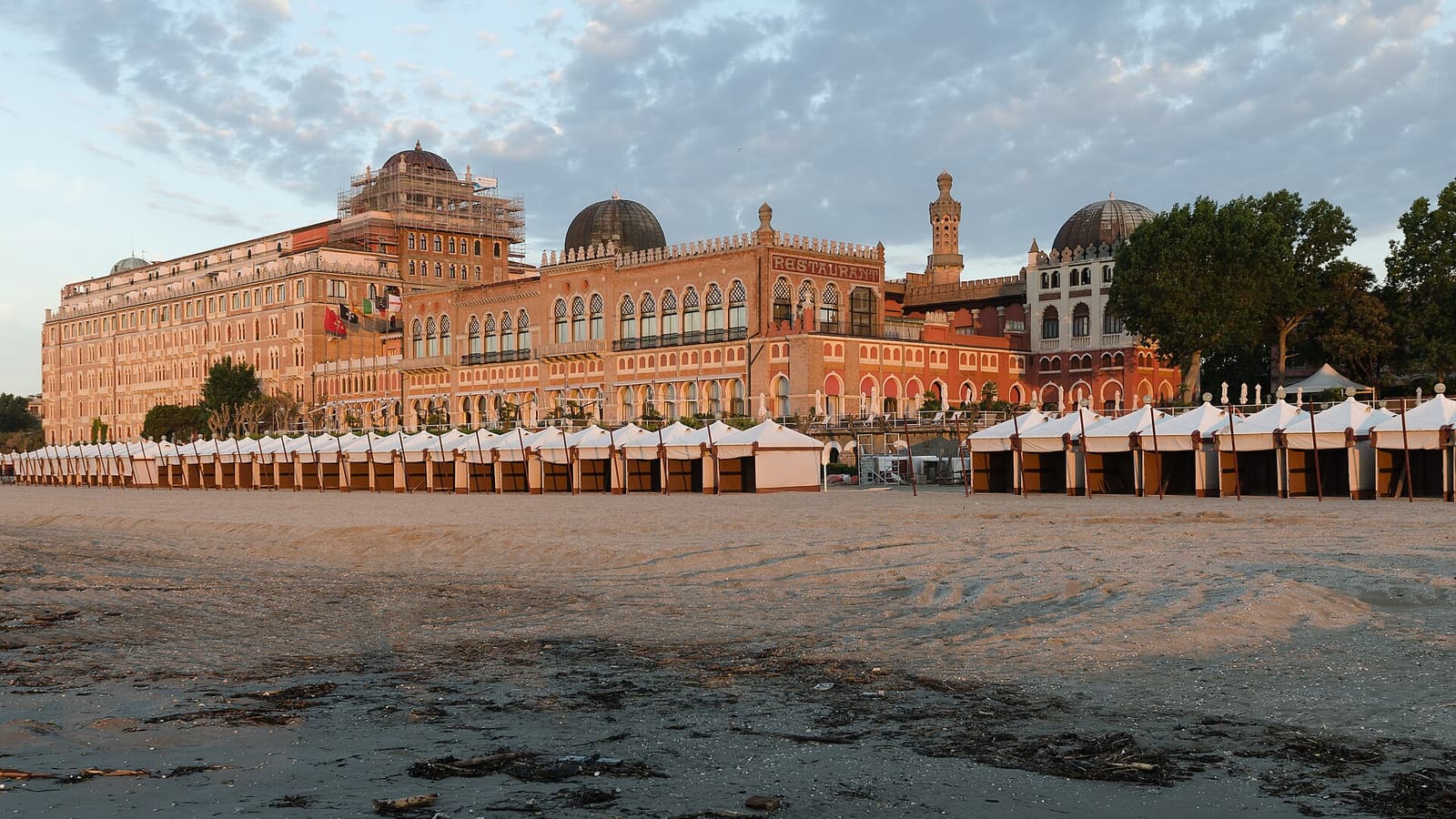
The Moorish palace on the beach
Opened in 1908, the Excelsior is the Lido’s great statement building: a neo-Moorish fantasy of domes, arches and crenellations facing the sea, with its own jetty, private beach and a century of film-star history. It is still a working five-star hotel.
 Beaches & the Belle Époque seafront
Grand Hotel des Bains
Death in Venice, frozen in time
The white palace on the Lungomare where Thomas Mann stayed and set Death in Venice, and where Visconti filmed it. Opened in 1900 and closed since 2010 for a conversion that has repeatedly stalled, it can only be admired from outside — but it remains the Lido’s most evocative building.
Around the island
 Around the island
Liberty & Art Nouveau Villas
Italy’s Belle Époque in miniature
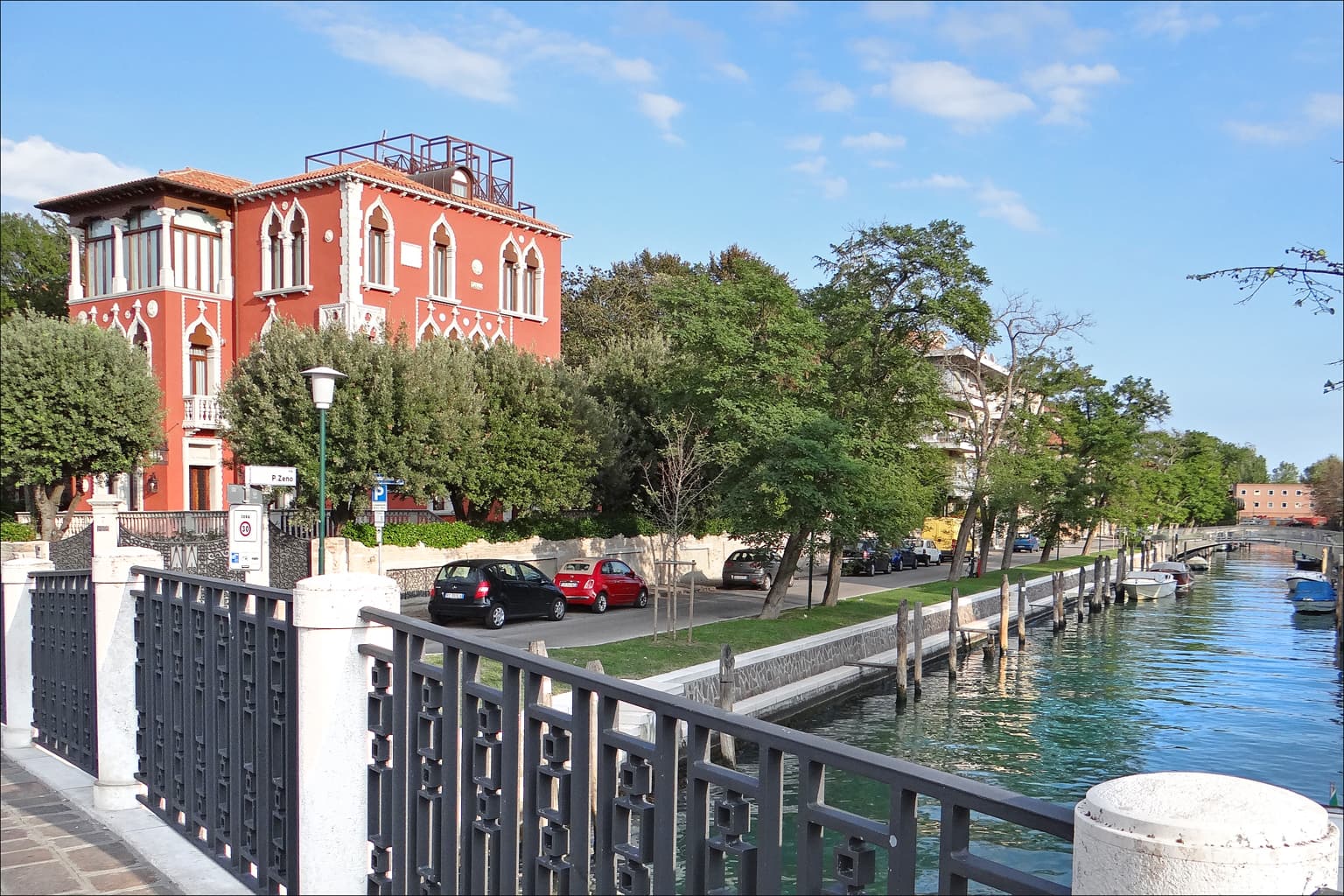
Between 1900 and the 1930s the Lido filled with villas in the Liberty style — Italy’s version of Art Nouveau. Majolica facades, wrought-iron gates, painted friezes and chalet roofs line the Gran Viale and the quiet streets towards the sea: one of the best open-air collections of the style anywhere.
 Around the island
Malamocco
The village that came before Venice
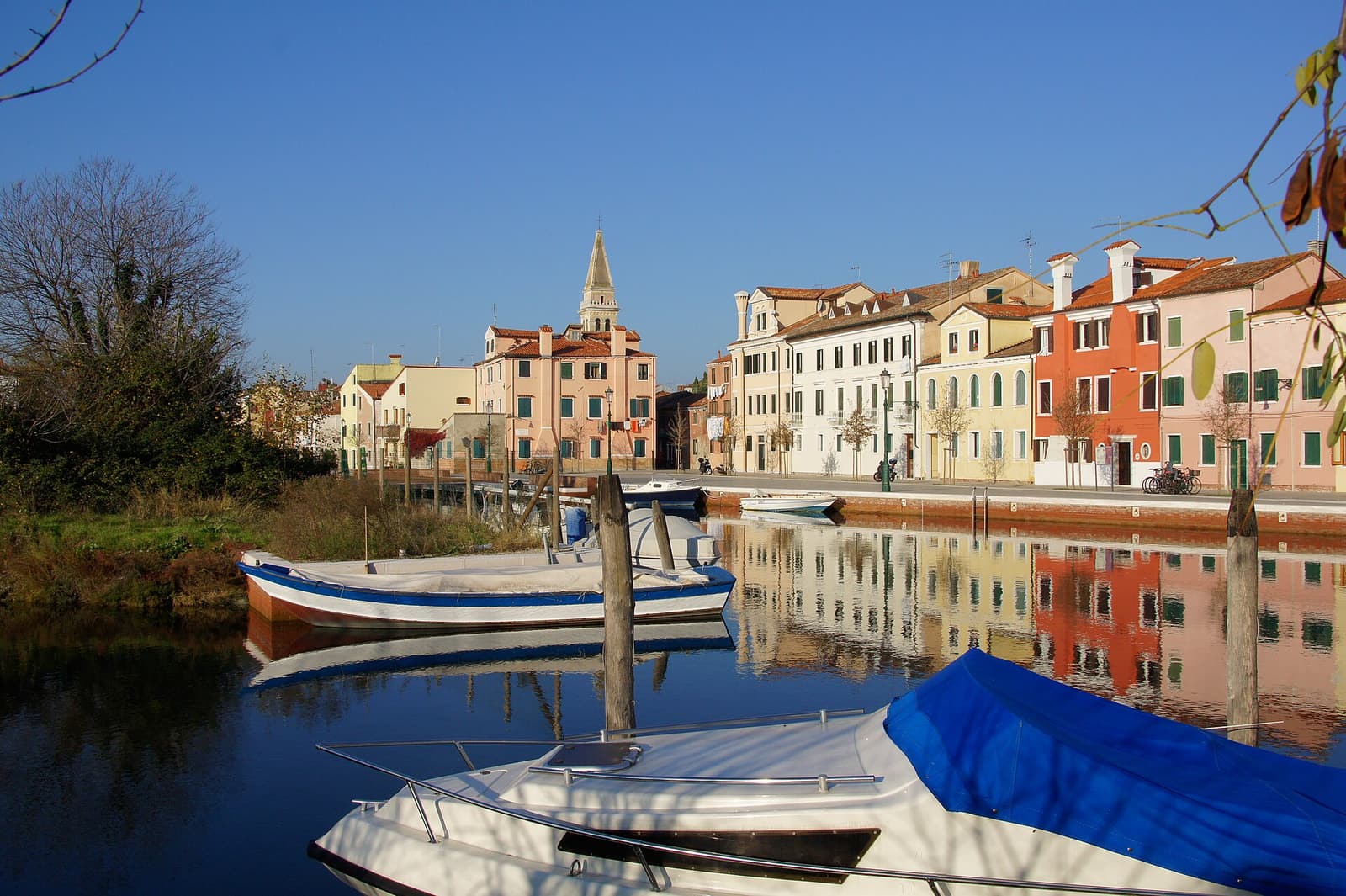
Halfway down the island, Malamocco is a miniature Venice of canals, bridges and a Gothic podestà’s palace. Its predecessor was the seat of the lagoon’s early dukes in the 8th century, before power moved to the Rialto; today it is the Lido’s most atmospheric corner and a lovely place for lunch.
 Around the island
Alberoni Dunes & Golf
The Lido’s wild southern tip
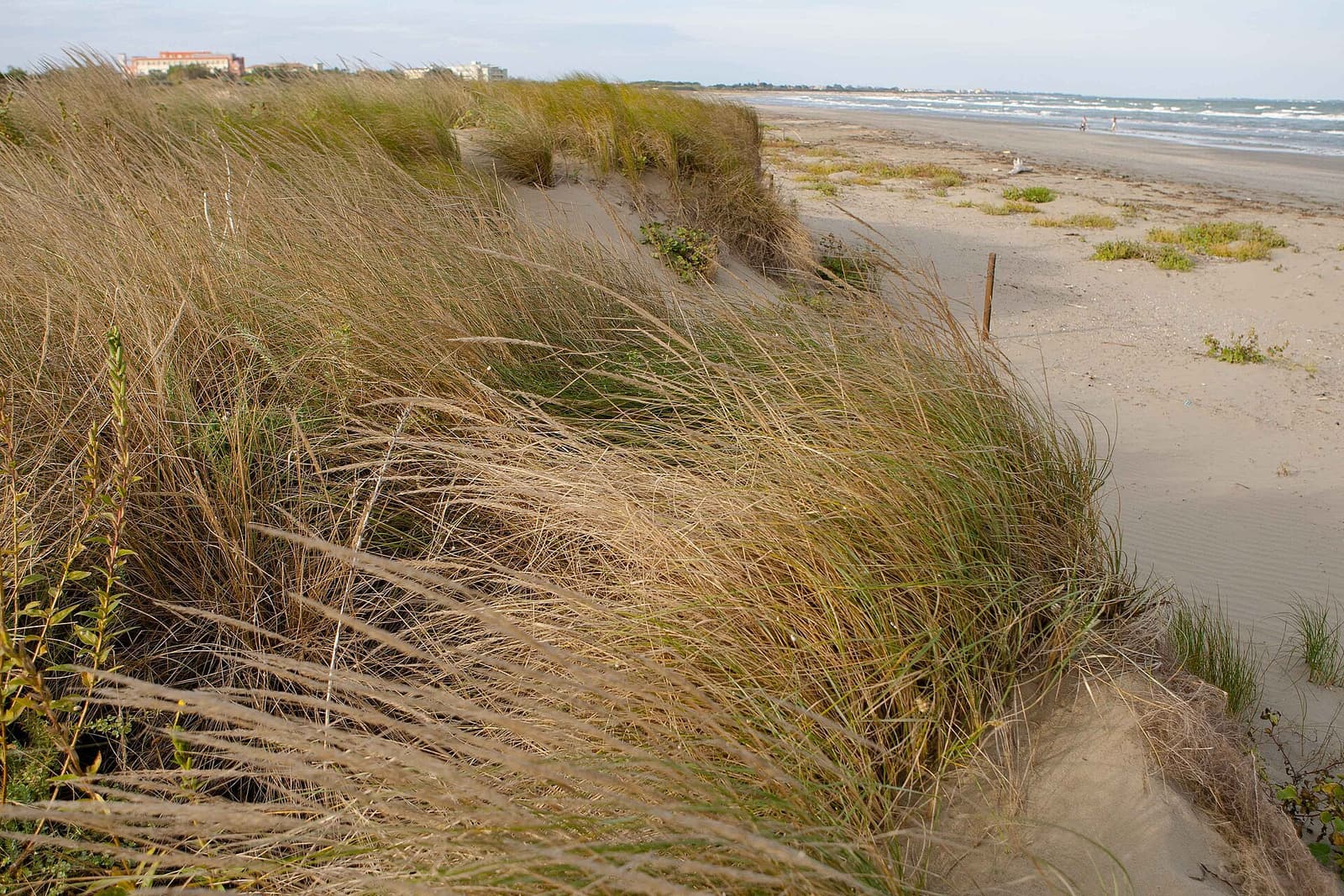
At the southern end of the Lido the villas give way to pinewoods, a protected dune system and the historic Circolo Golf Venezia. The Alberoni beach is the wildest on the island, and the ferry to Pellestrina leaves from here.
 Around the island
San Nicolò & the Old Jewish Cemetery
Monastery, airfield and the Lido’s northern tip
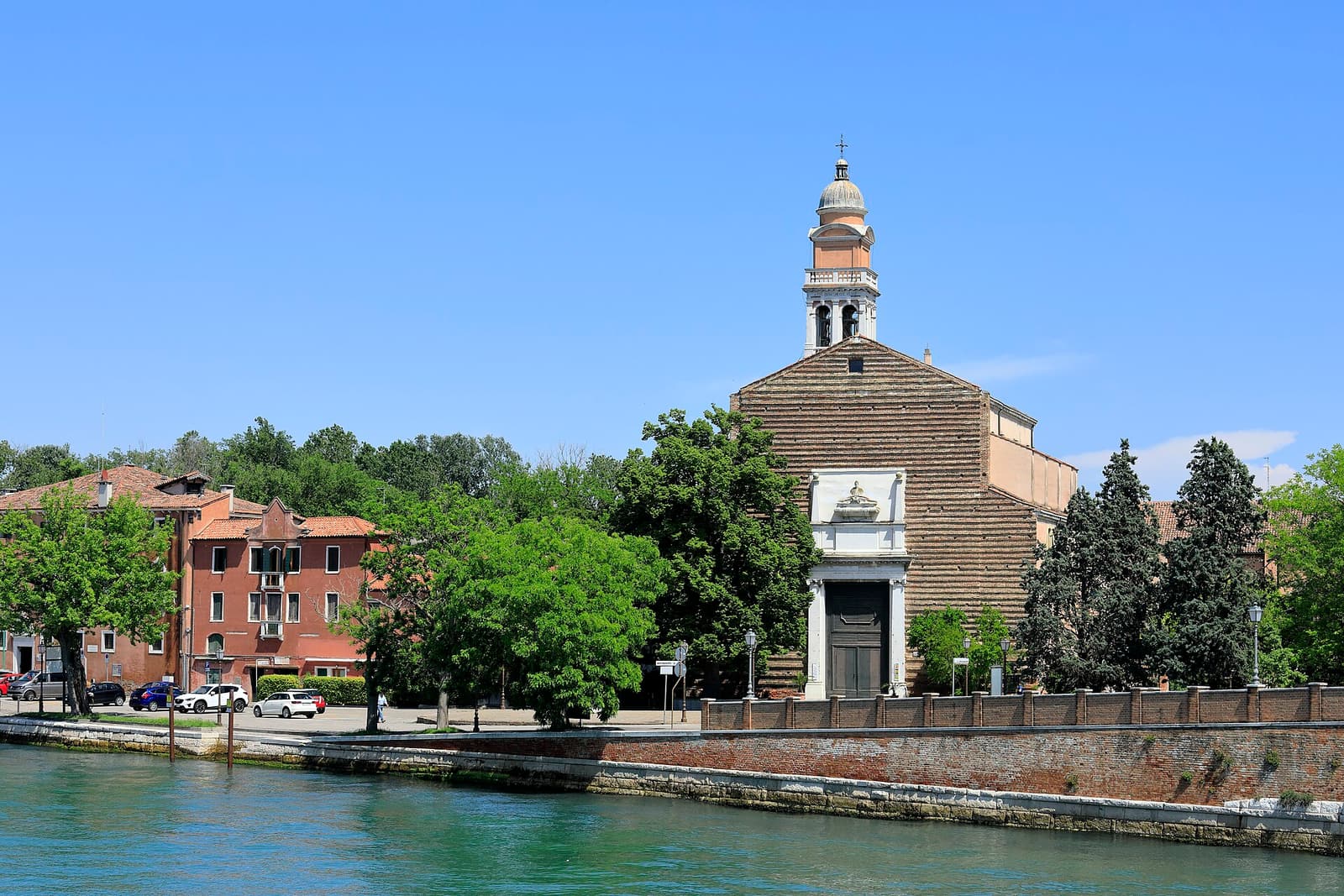
The quiet north end of the island holds the 11th-century church and monastery of San Nicolò, the old Jewish cemetery founded in the 14th century, a 1930s airfield and the lagoon inlet where the MOSE flood barriers rise from the sea.
Beyond the Lido
 Beyond the Lido
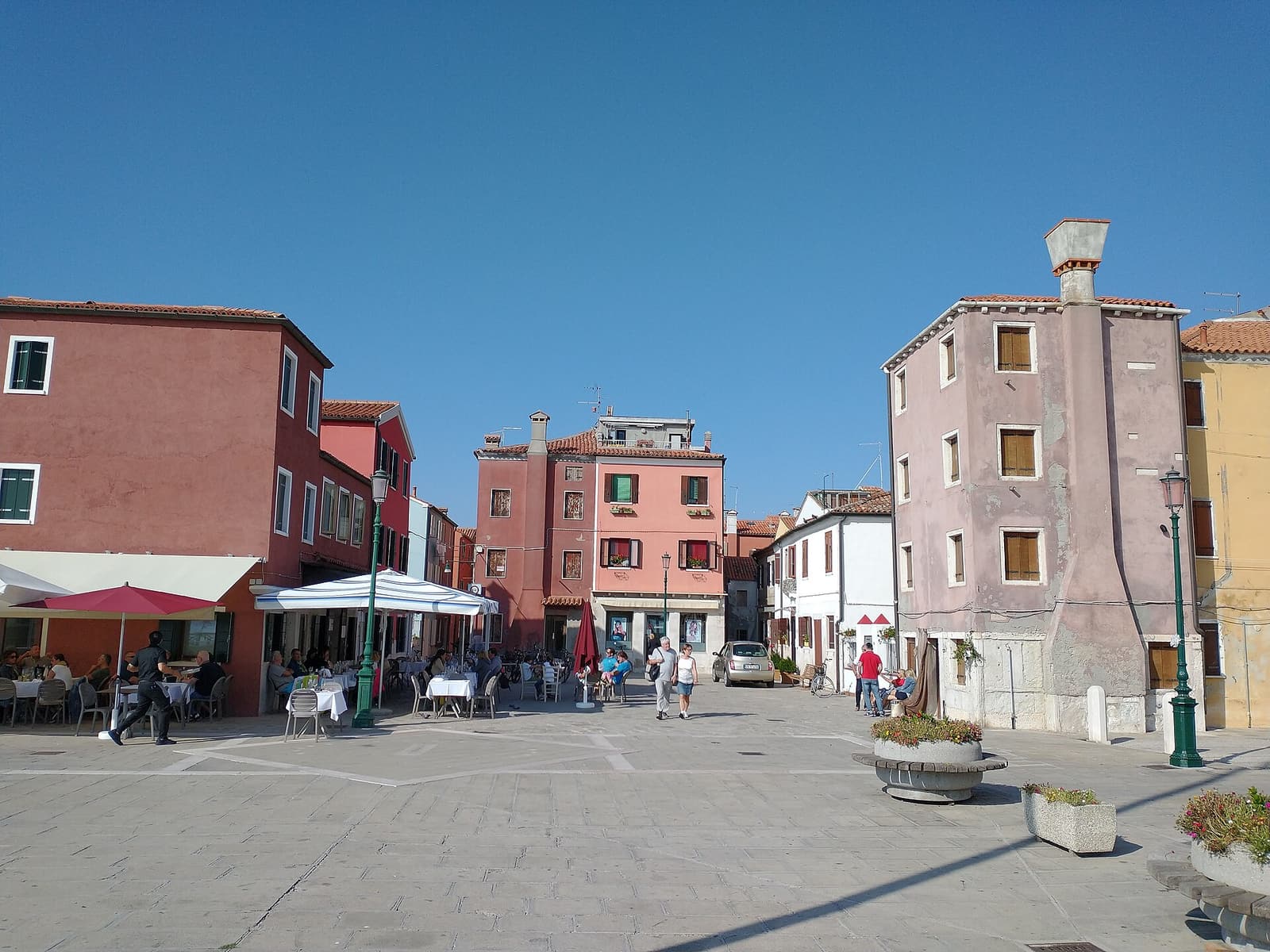
Pellestrina
A fishing island at the end of the line
A ribbon of an island, barely a few hundred metres wide, between the lagoon and the great 18th-century sea walls. Pellestrina’s pastel fishing villages, boatyards and seafood trattorie feel decades away from San Marco — and it is a short ferry ride from the Alberoni.
 Beyond the Lido
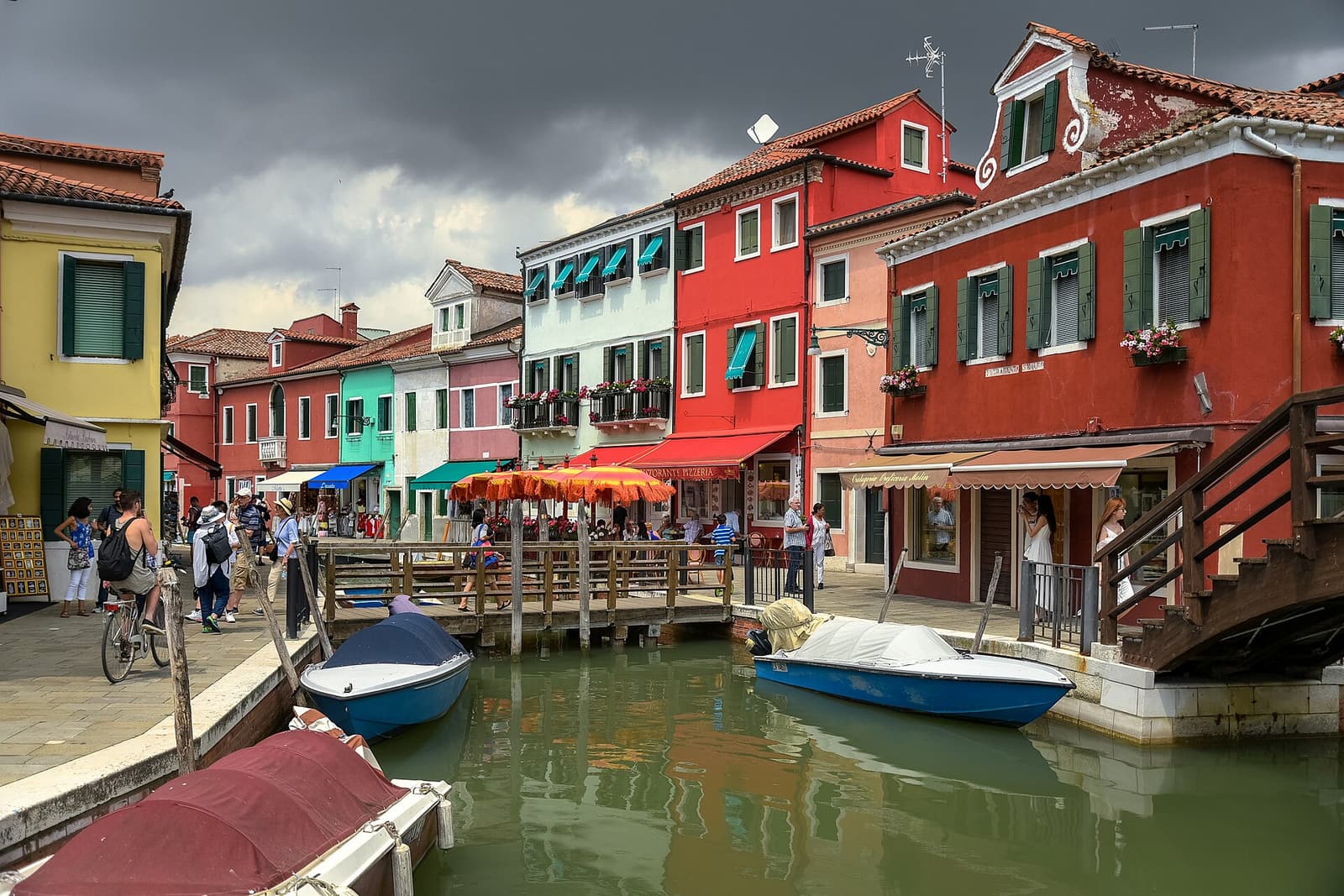
Murano, Burano & Torcello
The northern lagoon islands
Glass furnaces on Murano, coloured fishermen’s houses and lace on Burano, and the Byzantine mosaics of Torcello’s cathedral. From the Lido you reach them by vaporetto or, most easily, on a half-day boat tour from San Marco.
 Beyond the Lido
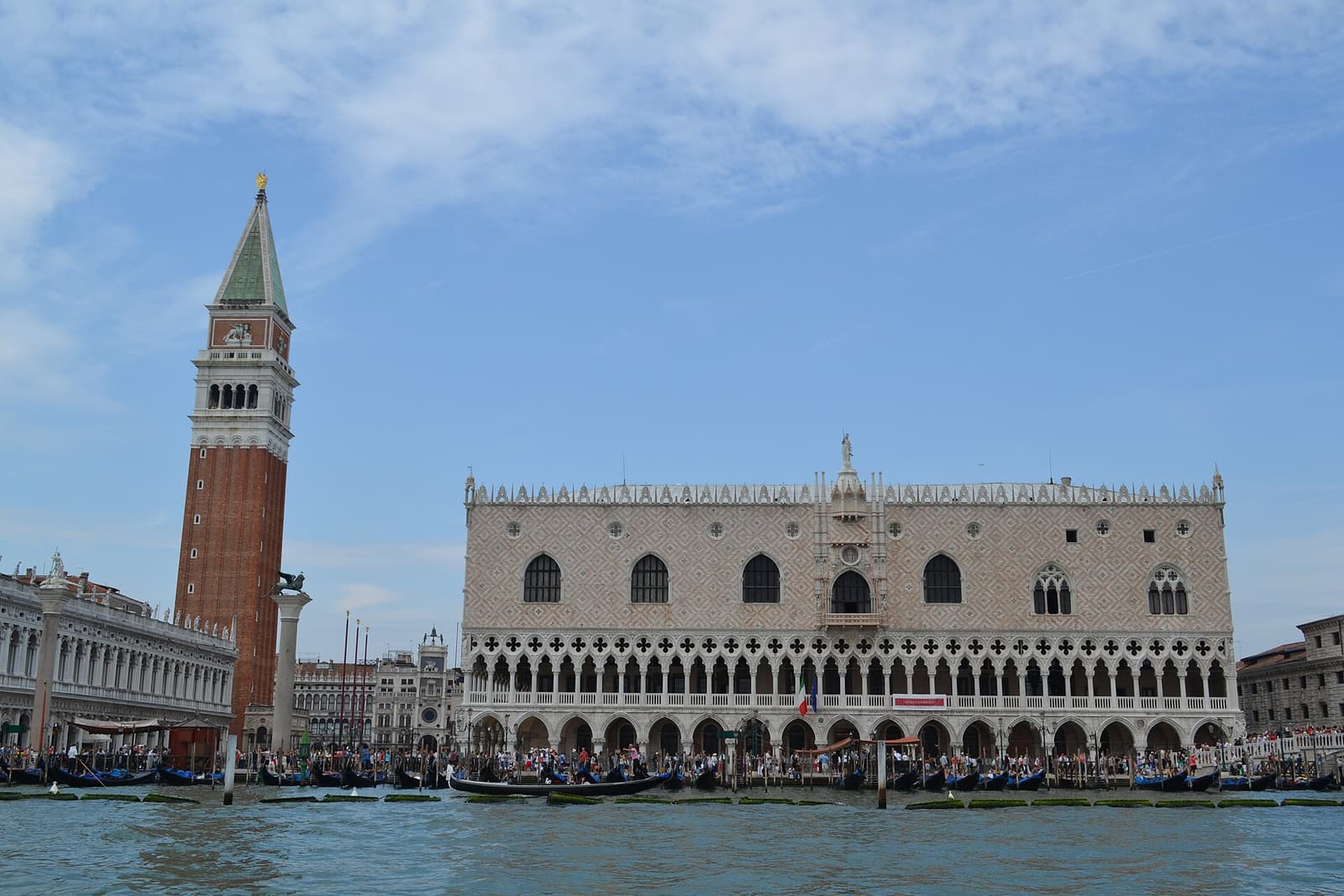
Venice from the Lido
San Marco, fifteen minutes by vaporetto
The great advantage of the Lido is that the historic centre is right there: a vaporetto crosses to San Zaccaria and St Mark’s in around a quarter of an hour. Spend the day among the canals and come home to quiet streets and sea air.
A perfect Lido day: morning on the beach near the Gran Viale; lunch in Malamocco after a bike ride along the lagoon; the dunes of the Alberoni in the afternoon; then back along the Lungomare past the Excelsior and the Hotel des Bains for a sunset spritz by the vaporetto.
Plan your days on the Lido
Beach in the morning, Venice by afternoon
The Lido is fifteen minutes by vaporetto from St Mark’s. Pair a day on the sand with a lagoon cruise, a bike ride to Malamocco or a trip to Murano and Burano — compare and book in a couple of taps.